
The tents are so close to the border wall between Syria and Turkey, they are almost touching it. Those living here on the Syrian side may have been displaced by the country’s more than decade-old civil war. But they could also be survivors of the earthquake. Catastrophes overlap in Syria. The earthquake, untroubled by international borders, has brought havoc to both countries. But the international relief effort has been thwarted by checkpoints. In southern Turkey, thousands of rescue workers with heavy lifting gear, paramedics and sniffer dogs have jammed the…
SOMA INKURUCategory: Environment
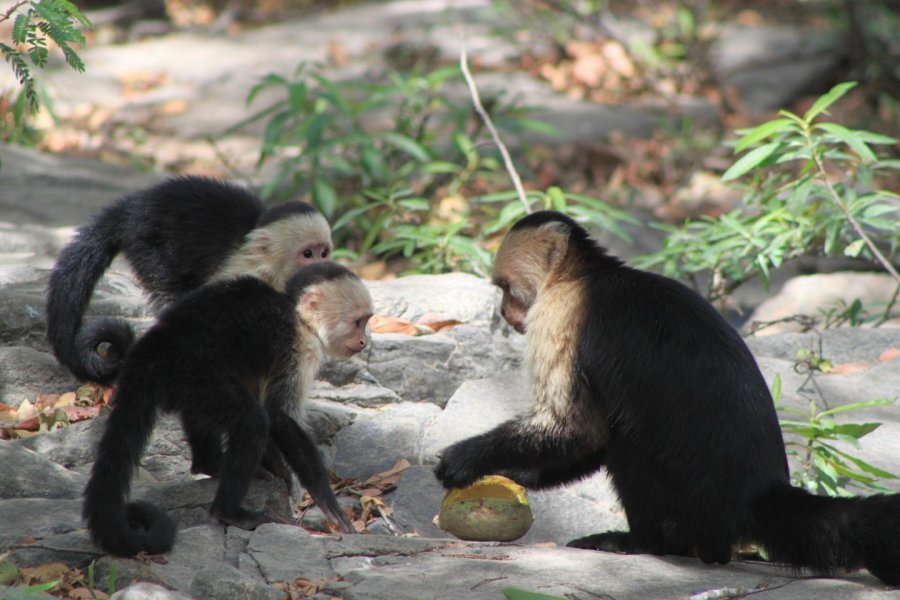
Monkey see, monkey do, depending on age, experience and efficiency
Capuchin monkeys learn best-payoff ways to open fruit from othersWild capuchin monkeys readily learn skills from each other — but that social learning is driven home by the payoff of learning a useful new skill. It’s the first demonstration of “payoff bias” learning in a wild animal, and could inform whether and how animals can adapt to rapidly changing conditions, for example due to climate change or reintroduction of species from captive breeding.“When animals learn, they can learn very (…) Capuchin monkeys learn best-payoff ways to open fruit from others Wild…
SOMA INKURUBee buzzes could help determine how to save their decreasing population
According to recent studies, declines in wild and managed bee populations threaten the pollination of flowers in more than 85 percent of flowering plants and 75 percent of agricultural crops worldwide. Widespread and effective monitoring of bee populations could lead to better management; however, tracking bees is tricky and costly. Now, a research team led by the University of Missouri has developed an inexpensive acoustic listening system using data from small microphones in the field to (…) According to recent studies, declines in wild and managed bee populations threaten the pollination…
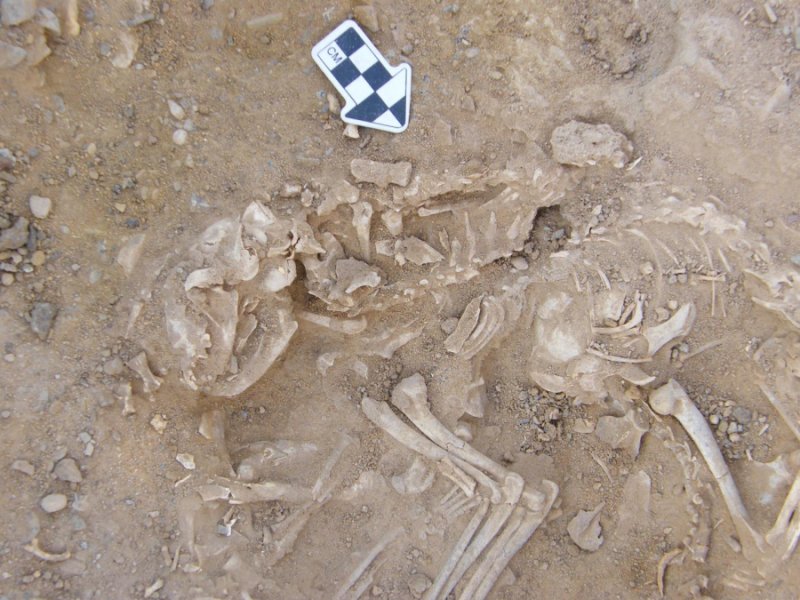
SOMA INKURUAncient DNA reveals role of Near East and Egypt in cat domestication
DNA found at archaeological sites reveals that the origins of our domestic cat are in the Near East and ancient Egypt. Cats were domesticated by the first farmers some 10,000 years ago. They later spread across Europe and other parts of the world via trade hub Egypt. The DNA analysis also revealed that most of these ancient cats had stripes: spotted cats were uncommon until the Middle Ages.Five subspecies of the wildcat Felis silvestris are known today. All skeletons look exactly alike (…) DNA found at archaeological sites reveals that the…
SOMA INKURU