
Rwanda: Des journalistes en première ligne pour dénoncer les crimes écologiques des sociétés minières

Au Rwanda, le journalisme d’investigation prend une nouvelle orientation: défendre l’environnement face aux abus des compagnies minières. Depuis avril 2025, une initiative inédite rassemble avocats, organisations de la société civile et médias afin d’outiller les journalistes pour enquêter, dénoncer et contraindre les acteurs de l’extraction à rendre des comptes. Sous le thème « Renforcer les capacités d’investigation des professionnels des médias au Rwanda sur la responsabilité civile et/ou pénale des acteurs du secteur minier face aux enjeux environnementaux et climatiques », quarante-cinq journalistes ont suivi une formation spécialisée. À l’issue…

SOMA INKURU

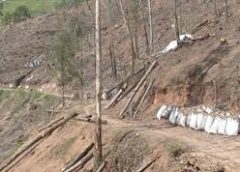
How forest degradation is threatening livelihoods in Rwanda?

Rwanda’s lush forests, once celebrated as critical ecological and economic resources, are under increasing threat due to deforestation and forest degradation. These forests are not just environmental havens; they are lifelines for countless Rwandans who depend on them for fuel, food, water, and income. As forests shrink, the ripple effects on people’s livelihoods are devastating, threatening food security, economic stability, and environmental sustainability. According to the Rwanda Forestry Authority (RFA), the country loses approximately 10,000 hectares of forest annually due to agricultural expansion, illegal logging, and infrastructure development. Despite government…

SOMA INKURU

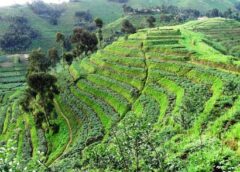
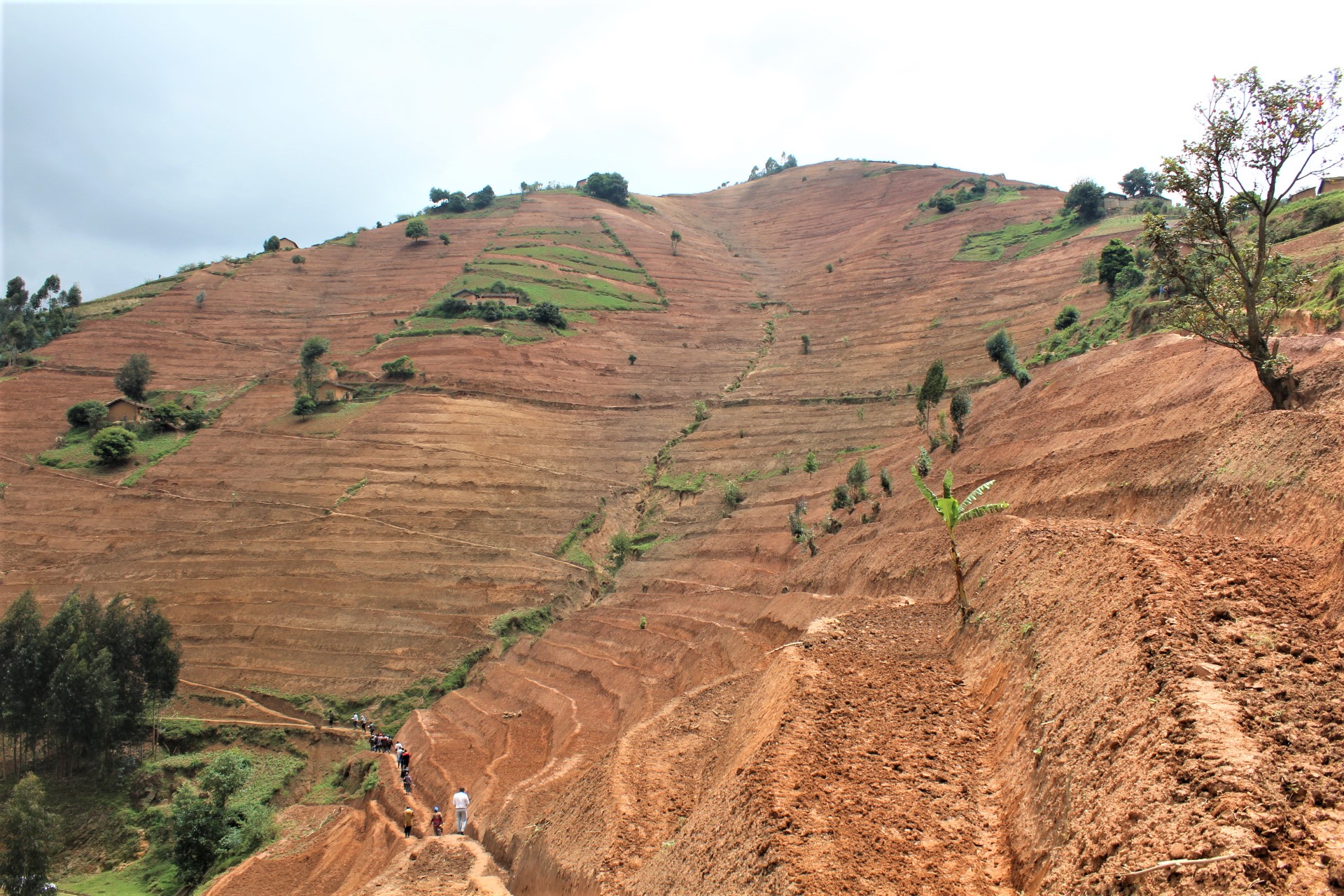
Les terrasses sauvent nos collines: Quand l’agriculture rwandaise s’appuie sur la terre en paliers

Sur les collines verdoyantes du nord du Rwanda, dans le district de Gicumbi, les courbes régulières de la terre témoignent d’une révolution silencieuse: la terrasse. Loin d’être un simple agencement esthétique, cette pratique ancestrale remise au goût du jour devient un bouclier contre l’érosion, un levier de productivité agricole et une réponse locale aux défis climatiques. Un rempart contre la dégradation environnementale Le Rwanda, surnommé “le pays des mille collines” est confronté depuis des décennies à une problématique majeure: l’érosion des sols. Les fortes pluies saisonnières, combinées à la déforestation…

SOMA INKURU

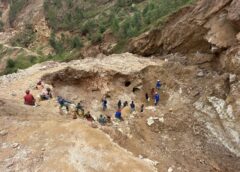
Rwanda: Mines illégales, vies brisées et climat en péril

Dans les collines verdoyantes du Rwanda, derrière les discours de croissance verte et de développement durable se cache une réalité aussi brutale qu’invisible: Celle de l’exploitation minière illégale. Alimentée par la pauvreté, tolérée par les silences officiels et orchestrée dans l’ombre par des réseaux bien organisés, elle saigne le pays, tue ses enfants, détruit son écosystème et alimente l’industrie mondiale de l’électronique. Plongée au cœur d’un enfer souterrain où la quête de survie côtoie le cynisme institutionnel et la crise climatique. À l’aube, dans la brume du district de Rutsiro,…

SOMA INKURU

E-Mobility in Rwanda: A dream for secondary cities amid infrastructure challenges

By Diane NIKUZE NKUSI Rwanda is aggressively pushing for e-mobility to combat rising air pollution and safeguard public health. With vehicle numbers increasing by nearly 12% annually and emissions emerging as a primary urban pollutant, the government has set ambitious targets for a cleaner future. The plan involves converting 30% of motorcycles, 8% of cars, 20% of buses, and 25% of mini-buses to electric by 2030 a transition estimated to cost around $900 million. The initiative is expected to yield significant reductions in greenhouse gas emissions, with projections suggesting reductions…

SOMA INKURU

Rwanda Faces Climate Crisis: Local Communities Share Their Struggles and Hopes

Rwanda, a landlocked country in East Africa, is increasingly feeling the devastating effects of climate change. With its fertile lands and biodiversity, Rwanda has long been known for its agriculture-based economy, but the changing climate threatens this very foundation. Farmers, environmentalists, and policymakers are grappling with the growing challenges posed by erratic weather patterns, extreme temperatures, and natural disasters. As the country strives to combat climate change, many Rwandans are sharing their stories of loss, resilience, and hope for a sustainable future. Changing Weather Patterns: In recent years, Rwanda has…

SOMA INKURU

The Kitchen Garden Revolution: How Home-Grown Produce is Improving Health and Sustainability in Rwanda

In Rwanda, the rise of kitchen gardens small, household gardens filled with fruits, vegetables, and herbs has become a powerful movement toward food security, healthier diets, and sustainable living. Amid rising food prices and the challenges of climate change, kitchen gardens offer families a reliable source of fresh, organic produce right at their doorsteps. This article explores the diverse benefits of kitchen gardens, sharing testimonies from Rwandans who have embraced this practice to improve their lives and communities. Improved Nutrition and Health: Kitchen gardens provide a direct source of nutrient-rich…

SOMA INKURU

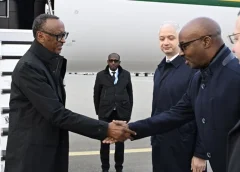
President Kagame Attends COP29 in Baku, Azerbaijan to Address Climate Change and Environmental Challenges

On Tuesday, November 12, 2024, President Paul Kagame arrived in Baku, Azerbaijan, to join global leaders at the 29th United Nations Climate Change Conference (COP29). During the conference, President Kagame is expected to engage in discussions on international relations, with talks anticipated with various world leaders, including Azerbaijani President Ilham Aliyev, who is hosting this year’s COP29 event. The COP conference, which brings together parties to discuss global climate change, will focus on urgent solutions to mitigate the severe effects of global warming. The goal is to speed up efforts…

SOMA INKURU

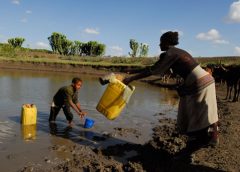
Living with Contaminated Waters: The Struggle of Rural Communities in Rwanda

In the rolling hills of rural Rwanda, water is life. It sustains families, nourishes crops, and supports livestock. But for many communities, access to safe, clean water is becoming a distant memory, as pollution from nearby industries and agriculture taints their lifeline. This is the story of those affected and their calls for change. The Source of the Problem In many parts of rural Rwanda, rivers and streams are the main sources of water. However, industrial waste and agricultural runoff have found their way into these natural resources, contaminating the…

SOMA INKURU

Reintroduction effort brought lions back to Akagera Park

By Diane NIKUZE NKUSI Historical records reveal that the lion population in Rwanda’s Akagera National Park, once numbering 300 individuals, faced extinction by 2001 due to rampant poaching and conflicts between humans and wildlife. However, in 2015, a reintroduction effort brought back seven lions to the park, followed by the addition of two males in 2017 to enhance the genetic diversity within the population. Speaking to the umuringanews, Ladislas Ndahiriwe, the Park Manager, said that the lion population has not only rebounded but flourished, currently numbering 59 individuals. He attributes…

SOMA INKURU