
Despite its reputation as a conservation success story, Rwanda faces an urgent threat its rich biodiversity is slipping away under pressure from human activity, climate change and habitat loss. In the heart of Africa, Rwanda is often praised as a model of environmental recovery and reforestation. But behind the rolling green hills and flourishing national parks lies a growing concern that few are talking about an accelerating loss of biodiversity that threatens the very soul of this “land of a thousand hills.” A growing silence in the forest Nyungwe and…
SOMA INKURUCategory: Ibidukikije
GMO: Inzira nshya yo gukemura ibibazo mu buhinzi bw’ibirayi mu Rwanda
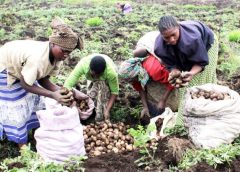
Ubuhinzi bw’ibirayi bubangamiwe bikomeye n’ingaruka zikomeye z’imihindagurikire y’ibihe birimo imvura idasanzwe, ubushyuhe bukabije n’ibiza, bisa nk’ibyabaye twibanire mu buhinzi bw’u Rwanda ndetse n’udukoko tubyangiza tudasigaye. Ibi byose bikaba ari intandaro y’iyangirika ry’umusaruro w’ibirayi, kugabanuka kwawo ndetse bikagira ingaruka ku isoko ry’ibiribwa aho usanga ibirayi biribwa n’abifite ndetse bikagira n’ingaruka mbi ku bukungu bw’imiryango ibihinga ndetse n’igihugu muri rusange. Ahagaragara abahinzi benshi b’ibirayi ni mu karere ka Musanze, umuringanews wasuye abahinzi bo mu kagali ka Nyabigoma, mu murenge wa Kinigi, batangaza ko ibihe bitunguranye byangije imyaka yabo bikomeye. Nyiransabimana Claire, umuhinzi…
SOMA INKURUThe impact of climate change on women in agriculture in Rwanda: Voices from the ground
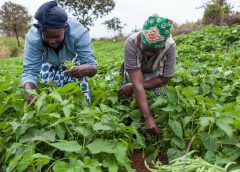
Rwanda, often called the “Land of a Thousand Hills,” is a small East African country renowned for its lush landscapes and agricultural productivity. However, with the intensification of climate change, women who rely on agriculture for their livelihoods are facing unprecedented challenges. In a country where over 70% of the population depends on farming, the effects of climate change are particularly harsh on women, who are both primary food producers and key economic actors in the agricultural sector. The Strain of unpredictable weather Climate change in Rwanda manifests through erratic…
SOMA INKURULe climat a changé et les récoltes aussi: L’agriculture rwandaise face à la menace du changement climatique
Au Rwanda, l’agriculture, qui fait vivre près de 70 % de la population, est de plus en plus menacée par un ennemi silencieux mais implacable: Le changement climatique. Sécheresses prolongées, pluies imprévisibles, glissements de terrain et apparition de nouveaux ravageurs compromettent la sécurité alimentaire du pays et mettent en péril les moyens de subsistance des agriculteurs. La saison ne prévient plus À Rulindo, Marie Mukankusi, cultivatrice de maïs depuis plus de 25 ans, décrit avec inquiétude les transformations du climat : « Avant, même si nous étions pauvres, nous connaissions les saisons…
SOMA INKURURwanda: Mines illégales, vies brisées et climat en péril
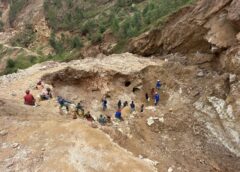
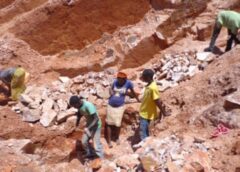
Dans les collines verdoyantes du Rwanda, derrière les discours de croissance verte et de développement durable se cache une réalité aussi brutale qu’invisible: Celle de l’exploitation minière illégale. Alimentée par la pauvreté, tolérée par les silences officiels et orchestrée dans l’ombre par des réseaux bien organisés, elle saigne le pays, tue ses enfants, détruit son écosystème et alimente l’industrie mondiale de l’électronique. Plongée au cœur d’un enfer souterrain où la quête de survie côtoie le cynisme institutionnel et la crise climatique. À l’aube, dans la brume du district de Rutsiro,…
SOMA INKURURwanda : Haratabarizwa uducurama turi mu nzira zo gicika
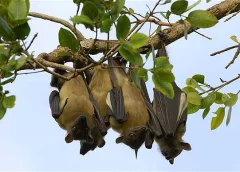
Muri parike ya Nyungwe habonetse ubwoko bw’uducurama buzwi nka “Rhinolophus hilli”, hakaba hasabwe ko hashyirwaho gahunda yo kubungabunga utu ducurama aho tugaragara hose mu gihugu kuko turi mu bwoko bw’uturi mu nzira zo gucika. Ibi bikaba byatangajwe n’abashakashatsi ndetse banemeje ko ari ku nshuro ya mbere habonetse muri parike ya Nyungwe ubundi bwoko bwa “Damara Wolly” bwari bwabonetse mu 1981. Kugeza ubu mu Rwanda hakaba hamaze kuboneka uduce 80 turimo uducurama two mu bwoko bunyuranye. Abashakashatsi bagaragaza ko uducurama dufite akamaro kanini cyane kuko turya udukoko, tugafasha no mu kubangurira…
SOMA INKURUE-Mobility in Rwanda: A dream for secondary cities amid infrastructure challenges
By Diane NIKUZE NKUSI Rwanda is aggressively pushing for e-mobility to combat rising air pollution and safeguard public health. With vehicle numbers increasing by nearly 12% annually and emissions emerging as a primary urban pollutant, the government has set ambitious targets for a cleaner future. The plan involves converting 30% of motorcycles, 8% of cars, 20% of buses, and 25% of mini-buses to electric by 2030 a transition estimated to cost around $900 million. The initiative is expected to yield significant reductions in greenhouse gas emissions, with projections suggesting reductions…
SOMA INKURUGisagara: Abahinzi b’umuceri bararirira mu myotsi
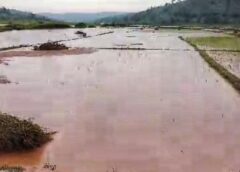
Umuyobozi w’akarere ka Gisagara wungirije ushinzwe iterambere y’ubukungu, Habineza Jean Paul, yatangaje ko imvura yaguye cyo kuwa 15 Werurwe 2025, yangije umuceri kuri hegitari zisaga 100. Ati “Umwuzure wibasiye igishanga cya Ngiryi muri Musha, ariko si ho gusa kuko no mu murenge wa Kibilizi muri Duwani naho hageze umwuzure mu gishanga.” Yakomeje agira ati “aho muri Ngiryi hangiritse hegitari zisaga 80, mu gihe kuri Duwani hangiritse hegitari ziri hafi ya 20.” Habineza yavuze ko ibyangijwe n’imvura bitari byagafatiwe ubwishingizi bw’ibihingwa, kuko bari babanje gukusanyiriza amafaranga hamwe bitegura kujya kubusaba mu…
SOMA INKURUThe impact of illegal stone quarrying on health in Muhanga district
BY Diane NIKUZE NKUSI In the heart of Rwanda’s Central Province, Muhanga District is home to breathtaking landscapes and a community that relies heavily on natural resources, especially stones and gravel, for their livelihoods. However, a growing concern is emerging in this region illegal stone quarrying, which has not only become a source of income for many but is also taking a severe toll on public health. In this article, we explore the destructive impact of illegal quarrying on the environment, the health of workers, and the surrounding community, through…
SOMA INKURUClimate Change and Albinism: The Struggles of People with Albinism in Rwanda
As the climate continues to change, populations living with albinism in Rwanda disproportionately feel its effects. Albinism is a genetic condition that results in the absence of melanin in the skin, hair, and eyes, making individuals with albinism extremely sensitive to the harmful effects of the sun. As a result, they face an increased risk of skin cancer, which has become one of the most serious health concerns for them. In Rwanda, the negative effects of climate change, with rising temperatures and intense sun exposure making their lives even harder,…
SOMA INKURU